Comprehensive Guide to Obtaining a Commercial Driver's License in the U.S.


Understanding the Importance of a Commercial Driver's License (CDL)
In the United States, a Commercial Driver's License (CDL) is essential for anyone looking to drive commercial vehicles professionally. Whether you plan to operate a tractor-trailer, a bus, or a tanker truck, having a CDL is a legal requirement. This license not only opens up a wide range of career opportunities in the transportation industry but also signifies that you have met rigorous safety and skill standards.
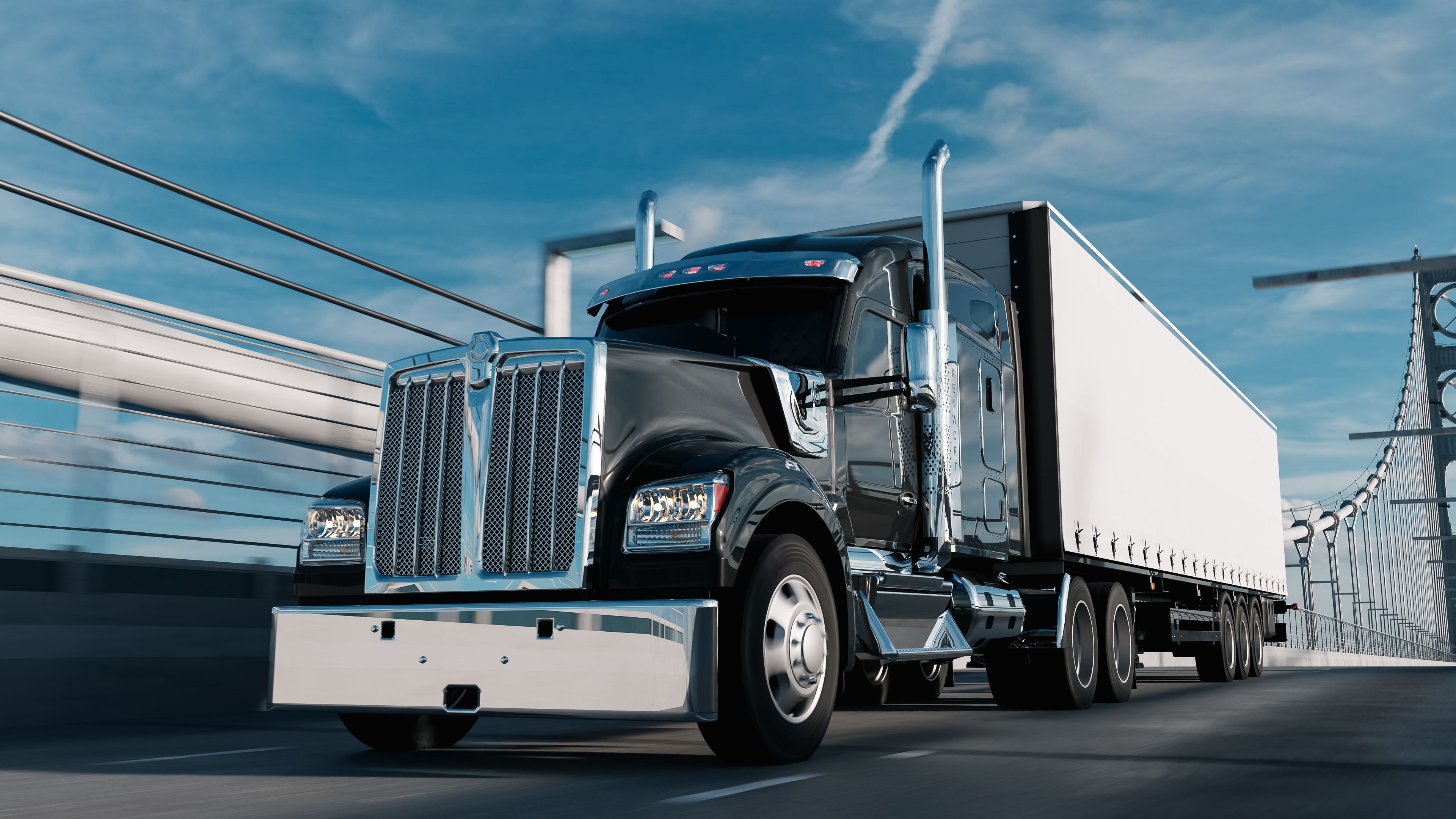
Types of CDL
There are three main classes of CDLs: Class A, Class B, and Class C. Each class corresponds to different types of commercial vehicles:
- Class A: For combination vehicles with a gross combination weight rating (GCWR) of 26,001 pounds or more, provided the GVWR of the vehicle(s) being towed is over 10,000 pounds.
- Class B: For single vehicles with a GVWR of 26,001 pounds or more, or any such vehicle towing another not in excess of 10,000 pounds GVWR.
- Class C: For vehicles designed to transport 16 or more passengers (including the driver) or hazardous materials.
Eligibility Requirements
To obtain a CDL, candidates must meet specific eligibility criteria. Generally, you must be at least 18 years old to drive within your state (intrastate) and 21 years old for interstate driving or transporting hazardous materials. Additionally, you need a valid non-commercial driver's license and a clean driving record. It's important to note that each state may have additional requirements, so check with your local Department of Motor Vehicles (DMV).

The CDL Application Process
The process of obtaining a CDL involves several steps. First, you need to study for and pass a written knowledge test covering general commercial driving information. Once you pass this test, you'll receive a Commercial Learner’s Permit (CLP), which allows you to practice driving under the supervision of a licensed commercial driver.
Training and Skills Test
After obtaining your CLP, it's crucial to undergo formal training, either through a professional truck driving school or a community college program. This training prepares you for the CDL skills test, which includes a vehicle inspection test, basic controls test, and road test. These assessments ensure you have the necessary skills to operate commercial vehicles safely.

Endorsements and Restrictions
Depending on the type of commercial vehicle you plan to drive, you may need additional endorsements on your CDL. Common endorsements include H for hazardous materials, P for passenger transport, and T for double/triple trailers. These endorsements require passing additional written and sometimes practical tests. Conversely, certain restrictions may be applied to your license based on the vehicle you train with or your specific medical conditions.
Maintaining and Renewing Your CDL
Once you have your CDL, it's essential to maintain it by adhering to state and federal regulations. This includes keeping your medical certification up to date and complying with any ongoing training requirements. CDLs typically need to be renewed every few years, with the exact period varying by state. Staying ahead of renewal dates and continuing to meet all requirements ensures you remain in good standing as a commercial driver.

Career Opportunities with a CDL
A CDL opens the door to numerous career paths in the transportation sector. From long-haul trucking to local delivery services and public transit driving, the possibilities are vast. Additionally, commercial drivers often enjoy benefits like competitive salaries, job stability, and opportunities for advancement.
In conclusion, obtaining a CDL is a significant step toward a rewarding career in the commercial driving industry. By understanding the requirements and preparing thoroughly for the exams, you can successfully earn your license and embark on a path filled with opportunity and growth.